

CBD products vary dramatically in quality, and source material purity (e.g. the hemp plant the CBD extract comes from itself) plays a critical role in product safety and efficacy. Understanding the difference between organic and conventional hemp cultivation is essential for making informed purchasing decisions, especially in a market where labeling can often be inconsistent or misleading.
(And, while you’re reading, a quick heads up that The Brother use organic certified hemp, partnering with East Fork Cultivars here in Oregon. For extracts, we nearly exclusively work with Laurelcrest Labs, in McMinnville Oregon. Check out our Hemp Testing Page anytime.)
Pesticide Concerns in Conventional Hemp
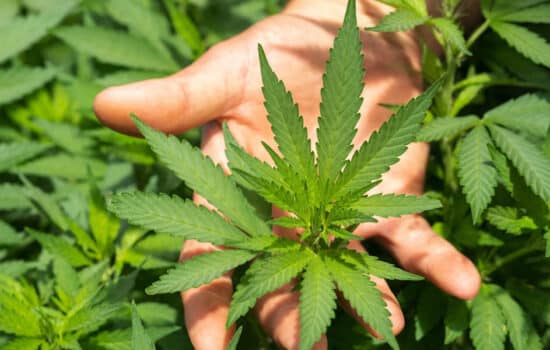
Hemp grown conventionally may receive applications of synthetic pesticides. Organic cultivation prohibits synthetic pesticide use, instead relying on physical barriers, beneficial insect predation, and approved botanical pesticides. Extensive research demonstrates that organic-derived products contain significantly lower pesticide residues.
Organic cultivation prohibits the use of synthetic pesticides. Instead, farmers rely on integrated pest management strategies such as:
- Beneficial insect ecosystems
- Crop rotation and soil health practices
- Physical barriers and natural deterrents
- Approved botanical or mineral-based inputs
Research consistently shows that organically grown crops tend to carry lower pesticide residues, making them a cleaner starting point for extraction.
[Note: Residue levels vary by farm and testing practices; not all conventional hemp is contaminated, but risk exposure is generally higher.]
Heavy Metal Bioaccumulation: Hemp’s Unique Challenge
One of the coolest, but most problematic things about hemp is its relationship with heavy metals.
Hemp exhibits exceptional hyperaccumulation capacity for heavy metals, particularly cadmium and lead. You don’t really want that in your hemp products. Hemp grown in contaminated soil concentrates these metals in plant tissue. Premium CBD producers conduct soil testing before cultivation and third-party heavy metal analysis post-harvest. These tests, for example, are the types we carry from East Fork.
USDA Organic Certification: What It Means
USDA Organic certification is one of the most recognized standards in agriculture. For hemp, it indicates:
- No synthetic pesticides, herbicides, or fertilizers
- Regulated soil and land management practices
- Compliance with federally defined organic protocols
However, certification alone does not guarantee product purity at the extract level. But there’s an important distinction: a product labeled “organic” is not always the same as “USDA Organic Certified.” The latter requires formal verification and auditing.
Even with certification, third-party lab testing remains essential, as it directly measures what is—or isn’t—present in the final product.
Oregon Hemp: Premium Sourcing Standard
Oregon has emerged as a premium hemp cultivation region, driven by strict state regulations, optimal growing conditions, and industry standards exceeding most other states. Oregon’s climate produces lower mold risk and reduced pest pressure, decreasing pesticide necessity. The combination of stringent regulation and natural growing conditions has positioned Oregon hemp as a premium sourcing standard.
Reputable CBD brands provide Certificates of Analysis (CoAs) for each batch, typically including:
- Cannabinoid profile (CBD, THC levels)
In addition to the basic potency testing, look for some baseline tests for the material. This should include testing list:
- Pesticide screening
- Heavy metal analysis
- Microbial and mold testing
- Residual solvent testing (for extracted products)
These tests may not appear on all end-product testing, but if you’re ever curious, just ask your hemp product supplier!
Third-Party Testing: The Gold Standard for Verification
Regardless of organic claims, third-party testing provides objective verification of product quality. Reputable brands publish Certificates of Analysis (CoAs) documenting CBD and THC content, pesticide panel results, heavy metal analysis, and microbial testing. Absence of published CoAs is a significant red flag.
Bottom line: CBD quality isn’t determined by branding. It’s determined by inputs, processes, and verification.
- Clean soil → cleaner plant
- Responsible cultivation → reduced contamination risk
- Verified testing → measurable proof
Understanding these layers allows you to move beyond marketing claims and evaluate CBD products based on objective standards.

Jesse Richardson is a brother and co-founder of The Brothers Apothecary. Jesse studied Political Science at the University of California, Los Angeles and Medicinal Plants & Ethnobotanical Research at Cornell University. He is an avid student of nature and is always working on something new at The Apothecary!